Winning ad scripts
Video transcripts
Ad 1: “200 days inside your washer” (Foreplay) · Copy A
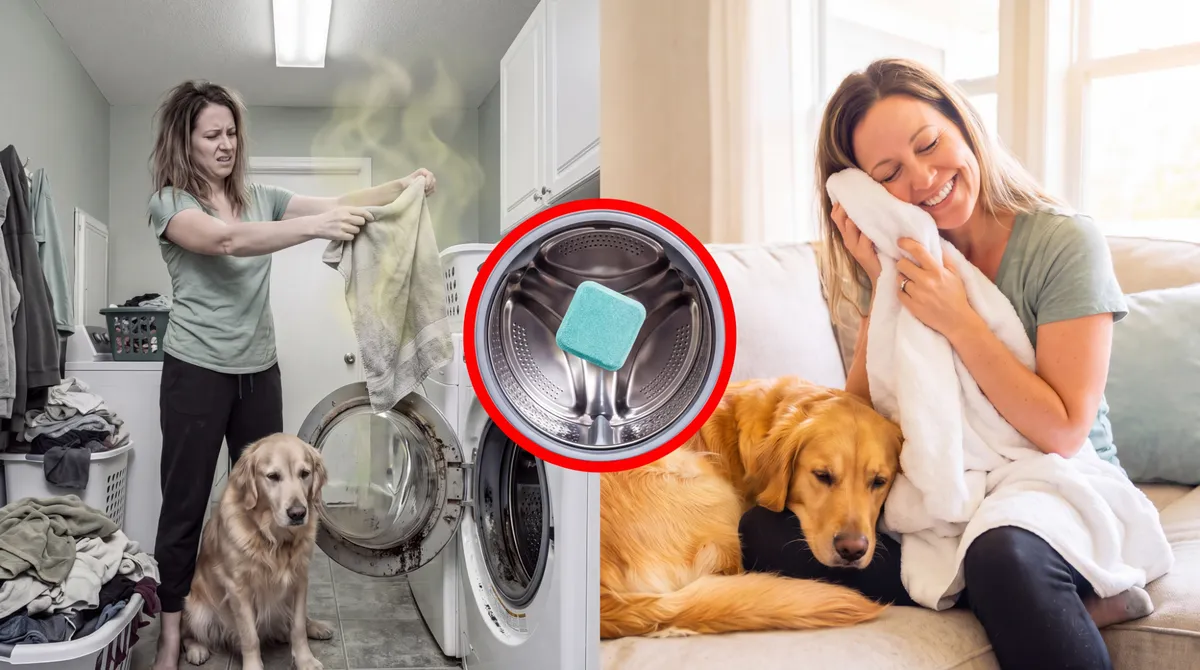
This is what happens inside your washing machine over 200 days with your dog. Day 1, Inside a washing machine in normal home with pets Within 30 days the colony organizes The food source Detergent residue The building material Pet hair Outside the machine she buys her first cleaner By day 60 the colony has fully established itself In one place no home owner ever looks She’s tried vinegar Bleach Three different store brand tablets Nothing has reached their colony By day 180, the colony has begun to interact with the homeowner. Every cycle it tags her clothes with a chemical signature she’ll carry on her body the rest of day She smells it on sweater at office On jacket in car In dog’s blanket second she walks into door Day 190 She finds something hasn’t tried The reason nothing else worked was simple None them used enzymes And build up behind drum isn’t dirt It is biological Needs be digested not rinses 3 Enzymes Protease, lipase and amylase. They break down the hair the grease and the residue at The source of food supply collapses by THE TIME THE CYCLE ENDS NO SCRUBBING no Q-tips No reaching behind WASHER BUILD UP IS GONE AT SOURCE UPROOT CLEAN 3 Enzymes 1 Tablet Built for pet homes For build up Nothing else can touch One that finally broke Cycle Run one every two weeks Colony always tries to come back It’s only way To keep it gone gone.
Ad 2: “My daughter’s rash” (Foreplay) · Copy C
I spent six months blaming the detergent, the fabric softener the dryer sheets and even a pajama fabric before i discovered what was actually touching my daughter’s skin. Im not dermatologist im not an allergist am someone who spent half of your cycling through every laundry product on shelf trying to figure out why four-year old kept waking up scratching eventually found was Not A Better Detergent it Was something growing inside My washing machine that had No idea What is there And It Is Getting On Every Single Piece Of Clothing my daughter wore against her skin. It started with a rash on her waistband area, right where her leggings sat against your skin all day I assumed it was the elastic bought softer pants the rash moved to Her neckline then behind knees than here in our arms and took it To The Pediatrician they said contact dermatitis probably That laundry detergent switch is something hypoallergenic and fragrance free we have two dogs of golden And Beagle they sleep On that couch They lay on their beds In Their blankets go through That wash constantly Alongside everything else I was washing my daughter’s clothes separately from the dog blankets because that was the responsible thing to do. Pet stuff in one load, kids’ stuff in another…I assumed that separation is keeping her clothes clean? It wasn’t and it took me six months figuring out why! What found a thick layer of grey-brown sludge old detergent residue fabric softener film and matted dog hair cement into the rubber had been building up there for years then learn something changed everything The buildup not just on gasket behind drum inside outer tub in the drain lines and in the sump at the bottom of machine. And every single load laundry including my daughter’s clothes was passing through that contaminated water before it touched her skin separating her clothes from dog blankets did nothing because contamination was inside a machine every load picked up pet dander proteins bacterial byproduct mold spores and residual chemical compounds were being deposited onto your pajamas leggings, T-shirts every single cycle she is not reacting to detergent she was reacting to what the washer was putting on her clothes after the detergent did its job. I tried to fix it, The way everyone tells you too ran vinegar through THE MACHINE RAN BLEACH bought Affresh and RAN IT MONTHLY THE rash would fade slightly for a couple of days then come right back here is why every one OF THOSE METHODS USES EITHER DILUTED ACID OR OXYGEN bleach oxygen bleach dissolves detergent residue AND mineral deposits but it cannot break down protein layer from pet dander and hair, and it cannot strip the greasy sebum coating that bacteria colonize inside the machine. Those are the layers carrying The allergens And irritants That transfer on to clothes Vinegar gets too diluted in a full wash cycle To penetrate any of it Bleach reacts with the surface and gets consumed before It reaches deeper AND Afresh is just oxygen bleach In tablet Allergens embedded IN that protein AND grease Layer Are not detergent Residue They are biological Pet dander contains specific allergenic proteins that accumulate inside the machine over months and transfer every load. Every load, not just the pet loads! All of them The only way to break down protein and grease is with enzymes Alpha amylase is used dissolve detergent film trapping everything in place Proteases are used break down the pet dander proteins And hair and lipase To strip sebum layer bacteria colonize Without all three They’re allergens reservoir inside a machine no matter how many times you run cleaning cycle Once I understood this I went looking for a washer cleaner with enzymes. i could not find one at target or walmart every box on the shelf was oxygen bleach in different packaging then,I found Uproot Clean A small company out of Florida that formulates specifically for pet households it is the only tablet I’ve found with all three enzymes plus T polyphenols that neutralize odor without synthetic fragrance which matters when you have kid with sensitive skin no bleach No harsh chemicals EWG rated ingredients I ran one tablet through a hot cycle. The water that drained out was dark brown, years of buildup from the machine i thought was clean The next week washed my daughter’s clothes in that machine for the first time without worrying Within 10 days the rash started fading within three weeks it is gone not because found better detergent because finally cleaned thing That contaminating her clothes after detergent already did its job right now uproot running buy two get you free plus free shipping with a 60-day money back guarantee. If you have been cycling through detergent brands, trying to figure out why the irritation will not go away and you have pets at home? The answer might not be on the laundry aisle it might inside THE MACHINE!
Ad 3: “Does your laundry smell like him?” (Foreplay) · Copy A
Oh my gosh, hi! Okay real question. Does your laundry ever smell like him? It used to… Wait what’d you do?! So it turns out the smell wasn’t even my laundry it was coming from inside the washing machine like all of pet hair builds up in there and just goes right back onto your clothes every load Huh?? Yeah so I got these Uproot Washing Machine tablets and they got a buy two get two free thing going And they were $10 bucks per box Honestly life changing You heard her!! Buy two, get two free right now. Links below!
Ad 4: “30-year repair tech ranks every cleaner” (Foreplay) · Copy A
30 years as an appliance repair tech, let me rank every washing machine cleaner so you is over time. Long-term use means an expensive repair down the line, three out of 10 Affresh This is what most people use its oxygen bleach cleanse the surface of your drum But can’t reach build up behind it and in pet households doesn’t even touch The protein layer four out ten OxiClean And Tide washing machine cleaner same active ingredient as Affresh percarbonate just Oxygen bleach in different packaging none None of them break down pet protein or grease. Amylase dissolves the detergent film on your drum. Protease breaks down pet hair and protein, something oxygen bleach can’t touch Lipase strips away the greasy residue from skin oils and dander The reason consumer brands haven’t included them is cost Right now they’re running buy two get two free plus free shipping 60 day money back guarantee If you have multiple dogs or heavy shedders Get The Ultra! Link below Long-term use means costly repairs later.
Ad 5: “20-year repair tech, 3 reasons” (Foreplay) · Copy B
After nearly 20 years fixing washing machines, I can explain your musty laundry problem in three reasons flat. If you have pets and your clothes keep coming out of the wash smelling like mildew that’s not your imagination! i’ve seen it all and there are 3 reasons you can’t get rid Of that smell no matter how much You’ve tried Reason number 1 The smell is NOT coming from Your clothes It comes from a sealed space behind Your drum YOU CAN’T SEE IT YOU CANT REACH And never dries out A biological layer builds up in there with every load, and particles of that buildup carry back to your clothes with each completed cycle. When you have pets that buildup compounds as the sebum oil from pet hair acts as a natural glue binding hair the drum and feeding bacteria causes smell Reason number two Most cleaning tablets are useless against pets Store tablets are oxygen bleach It’s designed dissolve soap scum and mineral deposits but does nothing to dispose of the keratin protein and sebum oil in pet hair. Instead, it just runs over the buildup carrying the stench back into your clothes Fragrance will hide this smell for a couple days but within A week it always comes back like never left Reason number three only one thing naturally dissolves The protein And grease In Pet hair An that’s enzymes Amylase clears That film Protease breaks down That head Hair Proteins Lipids strips the grease that the odor bacteria feed on. These enzymes working together offer a one, two three punch for months of pet hair built up in the machine This is what drained out Of A One-Year Old Machine After Single Enzyme Cycle That’s why over 1 million Pet Parents Choose Uproot Washing Machine Cleaner Pro And Keep Coming Back It’S Just One Tablet ONE Hot Cycle Every Two Weeks 42 cents per tablet For Laundry You NEVER Have To Smell Test Ever Order Comes Backed By 60 Day Money Back Guarantees And right now, if you buy two boxes they’ll send you four plus free shipping. So tap the link below now to secure this deal while it’s still going on and if you’re not impressed send It back for a full refund No questions asked
Ad 6: “3 mistakes slow-cooking your clothes in mold” (Foreplay) · Copy A
How your dirty washer is slow cooking your clothes in mold, especially if you have pets. Let’s fix three of the most common mistakes people make with their washing machines Mistake number one Using too much detergent More soap doesn’t equal more clean It leaves behind thick residue that traps dirt bacteria and especially pet hair Eventually your machine starts breeding mildew and you’re basically slow cooking Your clothes in mold Mistake number two, ignoring pet hair. Even if you can’t see it your washer’s filters and seals are catching it Every cycle just pushes that gunk deeper into the hoses That is why towels keep smelling musty no matter how many times you wash them Mistake number three Vinegar hacks Sure they seem to help But vinegar doesn’t dissolve build up or flush out detergent scum It just covers problem for a day If you’re lucky But there is one thing that actually worked to undo my mistakes, Uproot Ultra. It looks like a little tablet but once it hits hot water it foams up and cleans deep inside your washer all the places you never want to go like under the gasket behind drum and around tray just toss one in run on hot cycle let do its thing You’ll smell difference after 1 wash doesn’t just freshen dissolves root cause of those weird smells and mystery residue. And the best part is that if it doesn’t leave your washer sparkling, you get your money back! With their 60-day money back guarantee you can get a full refund if It doesn’t meet your needs So tap below to give it a shot. Fresh clothes start with the clean machine
Ad 7: “Clean laundry starts in the washer” (Foreplay) · Copy A
Clean laundry starts in the washer. If your washer is dirty, your clothes are not getting cleaned over time soap scum grime and hair all build up with the drum of your washer and you cannot get it out unless she were properly cleaning it so only adds to the problem It adds more grime And further piles on To The Problem I started Cleaning my Washer With These Tablets They’re So Convenient You don’t have measure anything. They are individually packaged, you just drop one of those into the drum of your washer and turn it to warm or clean cycle and it completely cleans It all for you! This formula kills 99% Of odor-causing bacteria And also includes a protein that will gently dissolve The hair that has built up in your washer These tablets are compatible with all brand washing machines Front & top loading as well I’ve gone ahead and linked it for you below. You’re gonna love the difference you see how your washer runs and how clean your clothes are!
Ad 8: “What enzyme foam actually does” (Foreplay) · Copy A
What enzyme foam actually does when it reaches the parts of your washer you have never cleaned. Every wash leaves behind a thin film of detergent and softener on surfaces you never see! In pet homes, hair and dander get trapped in that film And harden in place When the enzyme tablet dissolves into hot water The foam reaches every hidden surface Alpha-Amylase breaks apart That detergent Film Trapping Pet hair Against Drum Seal Protease Breaks down Keratin Protein Lipase strips the greasy layer from dander and skin oils, remove it and the smell stops at the source. By end of cycle months buildup is gone Clothes stop picking up that damp smell Towels stay fresh Uproot washing machine cleaner pro tablets are The only formula with all three enzymes Built specifically for homes with pets Right now it’s buy two get two free With free shipping And a 60 day money back guarantee One tablet On hot cycle Months buildup gone.
Ad 9: “Affresh water vs. Uproot water” (Foreplay) · Copy B
This is Affresh water after one cycle. This is Uproot water after one cycle, you already know which ones you need! We ran both tablets in the same conditions Same pet hair buildup Same cycle Afresh only uses oxygen bleach It dissolves detergent residue and mineral deposits The soaps scum And the minerals But that’s easy part And it all oxygen bleach can do Uproot Ultra has that same oxygen bleach Plus three enzymes Afresh doesn’t Alpha-amylase dissolves detergent film Protease breaks down Pet Hair Protein Lipase strips the dander grease the bacteria feed on. That’s the part oxygen bleach physically can’t touch, and that part Afresh just rinses over This is what drained out of The Afresh washer And this is what drained out Of THE UPROOT washer Same machine Same cycle THE tablet with ENZYMES pulled out everything OXYGEN BLEACH left behind AFFRESH washer smelled better for about 2 days UPROOT has been odor free For two months Same oxygen bleach in both Difference 3 enzymes So you’re not choosing between them Uproot Ultra has everything that Affresh is missing for pet parents. Right now, Uproot Clean is running buy two get two free plus free shipping four boxes for the price of two That’s $14 and 99 cents a box less than you’re already paying for Affresh For tablet that has the enzymes Affresh doesn’t 60 day money back guarantee If it doesn’t work You get your money back You read labels saw water already know which one you need upgrade to Uproot Ultra Click below Get yours now
Deep research
Uproot Washing Machine Cleaner Pro/Ultra: Customer Intelligence for the Pet-Owner Advertorial
The market language strongly supports the “smell keeps coming back no matter what I try” angle. Buyers of Affresh, Tide and OxiClean washer cleaners keep saying the same things: the smell came back within days, the product just covered it with perfume, or the machine didn’t actually get clean. Build the mechanism story on “enzymes + oxygen together, aimed at the sebum-and-protein film that odor bacteria feed on.”
TL;DR
- The pain is real, repeated, and vocal: owners describe laundry that smells “like wet dog,” “sour,” “musty,” like a “swamp monster” or “stagnant water.” Every fix they name — Clorox, vinegar, baking soda, Borax, Affresh, self-clean cycles — gets the same verdict: it works “for a few days to a week… 10 days at most.” That relapse is the strongest hook in the market.
- The competitor weak spots are perfume and relapse. Tide’s and OxiClean’s 1-star reviews are dominated by overpowering fragrance (“stink up the whole house”). Affresh’s are dominated by “worked for a bit, but it returned.” A fragrance-free enzyme tablet (Pro) used every 2 weeks answers both.
- Peer-reviewed work (Kubota et al., Appl Environ Microbiol 78:3317–3324, 2012) names Moraxella osloensis as the main cause of the “wet-and-dirty-dustcloth” laundry smell (4-methyl-3-hexenoic acid). It is linked to sebum residue that survives washing, and a 2024 PMC paper notes the bacterium is hard to eradicate “due to its resistance to UV light, drying, and even antimicrobial laundry detergents containing sodium hypochlorite or quaternary ammonium salts.” That justifies an “odor bacteria feed on body-oil and protein film” story.
Key Findings (organized by emotional intensity, highest first)
Level 5 — Humiliation, blame, and “it’s on me”
- “I started getting sour odors and I blamed it on my son for being a icky teen (sorry my love). I would wash and rewash over and over…” — Amazon verified review, OxiClean Washing Machine Cleaner, May 18, 2020.
- “I would smell like I can’t even explain it, mold?, by the end of a sweaty day, the clothes I’d be wearing smelled worse than a men’s locker room.” — same reviewer. This is the clearest “the smell follows me” moment in the dataset.
- “Imagine that you’re in one of those movies where there’s a swamp monster and it’s that kind of swampy, musty, sort of yucky smell.” — Seattle front-loader owner, NBC News. She found “black, gooey, slimy stuff” inside the gasket and paid a technician to replace it.
- “a combination of rotten eggs and just really bad stagnant water.” — Kenmore owner, NBC News.
- “My family when they do laundry they don’t always take the clothing out and it starts to smell like mildew I cannot and will not do the laundry after them.” — Home Depot, Tide Washing Machine Cleaner review. This is the household-blame pattern.
- “Don’t know if my roommate was out back wallowing with the pigs or what but it took the strength of this cleaner tab to overcome that stench.” — eBay, Affresh review.
Interpretation: the emotional core is blame. They blame a teenager, a spouse, a roommate, the dog, themselves. The advertorial’s job is to move the blame onto the machine (“it wasn’t you, it wasn’t the dog, it’s what’s living behind the drum”). That is a permission structure as much as a hook.
Level 4 — Betrayal and wasted money (failed-fix stories)
- “NOTHING seems to really get rid of the smell. Clorox, baking soda, vinegar, Affresh….all work for a few days to a week…10 days at most.” — Bogleheads forum, “Stinky Front Loader (Washer).”
- “Afresh, vinegar, baking soda, only helped temporarily.” — same thread.
- “The single use of this tablet helped eliminate the offensive smell for a bit, but it returned.” — Walmart, Affresh.
- “Left a ring of dirt behind which I had to scrub by hand.” — Home Depot, Affresh, Dec 5, 2025.
- “new washer…LG wash tower.,..with funky ‘new’ smell. Tried these and did not do anything….” — Home Depot, Affresh.
- “This didn’t do a thing. In fact I think the washer smelled worse after I used it.” — Home Depot, Tide Washing Machine Cleaner.
- “Then I tried a tablet of spa shocker which is like a super concentrated bleach, again, helped a little but not completely.” — Amazon, OxiClean reviewer. Escalation to hot-tub chemicals is a desperation signal.
- “I used the Tub Clean setting with a cup of Clorox and that helped about 75%. Still the smell would come back after a week.” — same reviewer.
- “White vinegar and using some Boraxo helps some but not a total cure.” — Tractorbynet forum.
- “I’ve tried bleach, Odo-ban, borax and other washing machine cleaners, but the water still stunk like gross, sulfery, moldy, old, standing water.” — Chewy, Uproot Washing Machine Cleaner Pro review (positive; Uproot worked for this reviewer).
Level 3 — Disgust and discovery (“I opened the washer and…”)
- “after using this cleaner there was brown nasty stuff all on the inside of the washer that had obviously been broken up and released by the cleaner from behind the drum.” — affresh.com review, via Home Depot.
- “the water still stunk like gross, sulfery, moldy, old, standing water” — Chewy, Uproot review.
- “You can smell the washer as soon as you enter the basement.” — AutomaticWasher.org.
- “It seems crazy to have so much filth and smell in a washing machine.” — Tractorbynet.
- “I did notice that everytime I opened the door to the washer, there was always an odor but I thought that was normal.” — Walmart, Affresh. People normalize the smell, which makes “this is NOT normal” a strong reframe.
- “I seriously didn’t realize how much pet hair and odor was trapped inside my washing machine” — TikTok creator reviewing Uproot. Note: this is creator content tagged to the brand.
Level 2 — Chronic irritation and coping rituals
- “Haven’t figured out how to get the nasty musty smell out of the front load washer yet. And yes, we leave the door open between washes, etc.” — AnandTech, “Bleh. My clean laundry (fresh out of the wash) smells like wet dog.” The “And yes, we already…” phrasing is pre-emptive defensiveness, the core “yeah but.”
- “We’ve done the vinegar thing a few times, all it seems to do it make my laundry come out smelling like vinegar (which I find equally as disgusting).” — same thread.
- “I always leave them hanging to dry and never bundled up when wet, but that wet moldy smell is always there. Am I alone?” — AnandTech, “Stinky towels.”
- “nothing like nasty smelling towers to wipte off your face after a clean refreshing shower.” — same thread. This is the “towel after shower” pain moment.
- “I have big dogs and after washing their bedding my washer always smells.” — Uproot PDP.
- “Pet blankets leave plenty of hair and dirt in the washer.” — Uproot PDP.
Level 1 — Mild skepticism and mixed results
- “Affresh washing machine cleaner has definately improved my musty, moldy smell in my washer but it is not gone completely.” — promotional review, Home Depot.
- “I’m not sure how effectively my washing machine was actually cleaned… nor was the washing water nearly as filthy as some internet videos might suggest.” — Walmart, Tide (promotional). Some buyers already distrust brown-water videos.
Daily Reality Map
10 unique pain situations
- Drying your face after a shower with a towel that smells sour (“nasty smelling towers to wipte off your face after a clean refreshing shower”).
- End of a sweaty workday, when your own shirt starts to smell “worse than a men’s locker room.” The smell activates with body heat and sweat.
- Opening the washer door and getting hit, before you’ve even started the load (“everytime I opened the door… there was always an odor”).
- Walking into the basement or laundry room and smelling the machine from the doorway.
- Running the “clean” cycle and having the house smell like perfume for days. Tide: “the smell overpowered our entire home we have 2000 s/f under air and you could smell it in every corner”; “After one use the smell was so bad I had to open windows.”
- Washing the dog’s bedding, then hesitating to wash your own clothes next. A promotional Tide reviewer ran the cleaner specifically so they “could continue washing our clothes without any residual odor” after the dogs’ blankets.
- Rewashing the same load “over and over,” then scent-boosting with dryer sheets to cover it.
- A brand-new washer that already smells (LG Wash Tower, 6-month-old Amana). The “I just spent $1,000+” sting.
- Humid or indoor drying periods. The Kubota study found the odor most often in laundry “hung to dry indoors.” Rainy season and winter indoor drying are real triggers.
- Cold-water, low-water HE washing. “These HE front load washers use a lot less so they don’t flush out everything, so it sits and gets really nasty down there.” One owner traced the onset to “when I stopped doing a load a week in very hot water.”
10 freedom fantasies (from stated outcomes and implied wants)
- Clothes that come out smelling “like when they are washed at a laundrymat” (OxiClean reviewer). People idealize the laundromat as “clean.”
- Laundry that smells of nothing: “I wouldn’t say it makes clothes smell ‘clean and fresh’ since to me that would mean there wasn’t a smell.” A fragrance-free outcome is the real fantasy.
- Washing dog blankets and their own clothes in the same machine without a “decontamination” run.
- Stopping the rewash cycle and the money that goes with it: “I would have saved a ton of money on detergents, dryer sheets, and water from having to rewash over and over.”
- Closing the washer door like a normal person. Today they leave it open, wipe the gasket and drain the filter.
- Not buying a new washer: “if it weren’t for these tabs, my husband would be in line to buy me a new washing machine” (Uproot’s own TikTok caption — brand content).
- Letting the dog back on the bed or couch without worrying the blanket will smell after washing (inferred).
- A clean towel after a shower actually feeling like a small win again.
- Not smelling the laundry room from the hallway when guests come over.
- Stopping the blame. No more wondering whether it’s the teen, the dog, or themselves.
Competitive Intelligence Matrix
| Solution | #1 repeated complaint | Unexpected praise | “Almost perfect except…” | Price anchor |
|---|---|---|---|---|
| Affresh (Whirlpool) | Smell returns: “helped eliminate the offensive smell for a bit, but it returned” | Brown gunk released from behind the drum; some say 2–3 months odor-free | Strong lingering scent (“remains strong over a day after use”, Tom’s Tek Stop) | “I got a three months supply for 7 bucks”; ~4.5★ on ~3,100–3,600 ratings (Walmart/Home Depot) |
| Tide Washing Machine Cleaner | Overpowering perfume: “stink up the whole house” (smell persisted 5 weeks) | Leaves “Tide smell” some people love | “the residue inside the boot seal never came off” (AutomaticWasher.org); “may take several cycles” | 4.7★ / 5,520 ratings (Walmart); “Spend the extra $2 and get the tide brand” |
| OxiClean Washer Cleaner / Odor Blasters | New fragrance masks instead of removing: “Instead of eliminating odors, it just tries to mask them” | Laundromat-fresh result for some | — | $13.98 / 4-count (Walmart) |
| Lemi Shine | “does not seem to clean my washer even tho I have followed instructions” | Citrus/“natural” positioning | “chemical lemon smell that smells off when placed in water” | — |
| Vinegar | Laundry smells like vinegar; temporary | Cheap, “natural” | Contested seal damage (see Belief Archaeology) | Pennies per cycle — the hardest price anchor to beat |
| Bleach / Clorox tub clean | “helped about 75%. Still the smell would come back after a week” | Visible kill of mold | Harsh; can’t mix with vinegar | Pennies per cycle |
| Self-clean cycle | Built-in, but owners still smell it; often paired with Affresh | Convenience | Relies on whatever you put in | Free |
| Borax / baking soda | “helps some but not a total cure” | Cheap | Only partial | Pennies |
| Replacing the washer / gasket | New machines smell too (“funky ‘new’ smell”) | — | Thousands of dollars | — |
Strategic read: every big-brand competitor loses on fragrance (masking) or relapse. Uproot Pro is fragrance-free, which is a real, defensible differentiator. Don’t push Ultra (fragranced) for sensitive-skin audiences.
Language Harvesting
High-frequency descriptors: musty, mildew, moldy, sour, funky/funk, stale, “wet dog,” “stagnant water,” “standing water,” gunk, slime/“black, gooey, slimy stuff,” “brown nasty stuff,” stench, “locker room,” “rotten eggs,” overpowering, perfume.
Recurring metaphors: swamp monster; men’s locker room; laundromat (the clean ideal); “science experiment” (media headline language); “toxic waste dump” (AutomaticWasher.org); pigs/wallowing.
Adjectives before the problem: “nasty musty,” “offensive,” “awful,” “really really really bad,” “funky ‘new’,” “gross, sulfery, moldy, old.”
Conversion triggers found:
- “What convinced me” — “after using this cleaner there was brown nasty stuff all on the inside of the washer” (visible proof).
- “I finally tried it because…” — a friend’s recommendation (“nothing worked until my friend gave me a [T]ide washing machine cleaner”), or the washer manufacturer’s recommendation (“Since Affresh was recommended by Whirlpool for its products”).
- “I was skeptical until…” — “From skeptic to true believer!” and “We were a little skepticle but these tablets work great, we have a ‘new’ washer again” (Uproot PDP). Also “We dismissed it as a gimmick gift from Maytag” (Tom’s Tek Stop on Affresh).
- “My washer paid me after the first clean!” — Uproot PDP. A likely reference to lost items or coins coming out.
Belief Archaeology
Surface beliefs (said publicly): “Front-loaders just do this.” “Leave the door open.” “Use less detergent.” “Run vinegar through it.” “It’s the gasket.”
Shadow beliefs:
- “HE machines are designed to be dirty.” “Front loaders S T I N K. Save yourself a lot of irritation and get a good top loader.” — Tractorbynet. Nuance: top-loaders smell too (“But top loaders also can smell too”).
- “The repairman is upselling me.” On Houzz, a Miele tech claimed vinegar makes seals “just crumble in his hands.” A commenter replied: “So these hoses and seals can stand up to 60C-95C hot water, highly alkaline detergents, stain-eating enzymes, oxygen bleach and even caustic chlorine bleach but can’t handle less than a cup of vinegar…? I think he was trying to sell you some more fabric softener IMO….” Lesson: a “30-year repair tech” persona will be met with suspicion unless he is clearly not selling you a service.
- Blame: the teen, the spouse, the roommate, the dog, the HE machine, cold water, themselves.
Identity beliefs: “I ALWAYS leave the door open” (the diligent owner); “I wipe it out all the time” (the clean person this shouldn’t happen to); “I normally keep my washing machine clean” (Lemi Shine reviewer). The identity at stake is “I’m a clean person — this shouldn’t be happening to me.” Validate that before selling.
Mechanism beliefs and how accurate they are:
| Belief they share | Accurate? |
|---|---|
| “It’s mold/mildew in the gasket” | Partly. Visible gasket mold is real, but the signature laundry odor is mainly bacterial (Moraxella osloensis) per peer-reviewed research. |
| “Low-water HE machines don’t flush it out” | Plausible and widely repeated. Technicians blame detergent overuse and residue. |
| “Hot water fixes it” | Partly. One owner linked the onset to stopping weekly hot loads; NYU microbiologist Philip Tierno told ABC News (2010), “You need water that’s between 140 and 150 degrees to kill germs.” |
| “Vinegar ruins seals” | Contested. A North Carolina repair tech (via Consumer Reports) says it “can literally melt hoses”; others call it a myth for modern synthetic seals. Samsung’s own support page recommends a hot cycle with ½ cup vinegar. |
| “Enzymes dissolve pet hair” | Mostly false. Hair is keratin, which ordinary detergent proteases barely attack (keratin needs specialized keratinases). |
Story Mining
The Documentary Method — composite journey
This is a composite, not one person: every quoted line is real verbatim language from the sources above (OxiClean Amazon reviewer, Bogleheads, AnandTech, NBC, Home Depot, Chewy). Use it as a script skeleton, not as a testimonial.
It started as a faint thing. Every time she opened the washer door there was a smell, “but I thought that was normal.” It was a front-loader, an HE model, the one everyone said was better. She used cold water to save energy, a pod in every load, and softener because the dog blankets came out scratchy.
Then the towels turned. “That wet moldy smell is always there,” even though she hung them to dry and never left them bundled. Drying her face after a shower became the worst part of the day.
The first suspect was a person. “I started getting sour odors and I blamed it on my son for being a icky teen.” She washed his clothes separately. Then she started noticing it on herself: by the end of a sweaty day, “the clothes I’d be wearing smelled worse than a men’s locker room.”
The fixes began. She tried vinegar, but “all it seems to do it make my laundry come out smelling like vinegar.” Then the “Tub Clean setting with a cup of Clorox”, which “helped about 75%. Still the smell would come back after a week.” She changed detergents and used more, then read that she should use less. She tried Borax and baking soda. She bought Affresh, because the washer manufacturer recommended it, and it worked “for a bit, but it returned.” She tried a Tide washer cleaner, and the perfume “overpowered our entire home.” She tried the hot-tub chemical, which “helped a little but not completely.” Each fix bought her “a few days to a week…10 days at most.”
She did the rituals: door left open, gasket wiped, filter drained. “And yes, we leave the door open between washes, etc.” She rewashed loads “over and over,” and added dryer sheets and scent boosters to cover the smell. She looked at new washers. She wondered if front-loaders were just broken by design.
The low point came when she pulled back the gasket and found “black, gooey, slimy stuff,” then ran a cleaner and saw “brown nasty stuff… broken up and released… from behind the drum.” It had been there the whole time, hidden behind and under the drum where no wipe could reach.
What she wants now isn’t “fresh scent.” She wants clothes that smell of nothing, “like when they are washed at a laundrymat.” She wants to stop wasting “a ton of money on detergents, dryer sheets, and water from having to rewash.” And she doesn’t want to buy another machine.
Remaining frustration, even after success: she knows it comes back if she stops. Maintenance is the new reality. That’s why “every 2 weeks” needs to be framed as a habit like replacing a filter, not as evidence that the product wears off.
The Horror Anthology
- Product disasters: Tide cleaner smell that lasted “Five weeks later… despite opening windows and scrubbing the machine.” Affresh “Left a ring of dirt behind.” OxiClean Odor Blasters perfume that survived rewashing: “I’ve rewashed my laundry items several times without it and my laundry still smell of this product.”
- Financial: gasket replacement by a paid technician (NBC); replacing a Maytag front-loader when “the repair would cost more than I paid for the washer” (Tractorbynet).
Hook Discovery
Unanswered questions they keep asking: “Is it common for them to smell like this?” (AnandTech). “Am I alone?” (Stinky towels). “Does vinegar damage my washer?” “Does Affresh actually work?” “Why does my brand-new washer smell?” “Why does it come back after a week?”
Strongest hook candidates (evidence-backed):
- “Why the smell always comes back in 7–10 days” — built directly on the Bogleheads “10 days at most” relapse language plus the bacterium’s documented “resistance to UV light, drying, and even antimicrobial laundry detergents containing sodium hypochlorite or quaternary ammonium salts” (2024 PMC paper citing Kubota 2012).
- “It wasn’t your teenager. It wasn’t the dog. It was the film behind your drum.” — the blame-transfer hook.
- “The washer cleaners that just perfume your house” — built on Tide/OxiClean 1-star reviews. Avoid naming brands in disparaging claims without substantiation; “perfumed washer cleaners” is safer.
Social proof patterns: manufacturer endorsement (“recommended by Whirlpool”), a friend’s tip, visible gunk and brown residue, and “new washer again” language. Brown-water videos are persuasive but already doubted (“nor was the washing water nearly as filthy as some internet videos might suggest”), so pair them with smell-based proof (a sniff test on the same towel before and after).
Psychological Trigger Mapping
- Who they don’t want to be: the person whose clothes smell by afternoon; the house you smell from the doorway; the dog-owner home that “smells like dog.”
- Urgency amplifiers: a new washer that already smells (sunk cost), guests, washing pet bedding, humid or indoor-drying seasons, and the moment they smell it on themselves.
- Permission structures: “I’ve already tried everything” (they need a new mechanism, not a stronger version of the old one). “It’s cheaper than a new washer or a tech visit.” “It’s for the dog” (a pet-specific product justifies a premium). A 60-day guarantee lowers the risk for the burned skeptic.
Output Architecture
Section 1: The Avatar Confession (≈300 words, composite voice)
Composite written in harvested language. Present as a dramatized persona, not a real testimonial, unless matched to a real customer with consent.
I’m going to admit something I’ve never said out loud: for almost a year, I thought my teenager just stunk. I blamed him. I washed his stuff separately. I bought him new body wash. And then one afternoon at work I leaned back in my chair, caught a whiff of my own sweater, and realized — it was me. My “clean” clothes smelled sour. Like a locker room. Like a wet dog had slept on them, even the ones our dog never touched.
I’m a clean person. I leave the washer door open. I wipe the gasket. I use the “right” amount of detergent. And yes, I’ve tried everything. Vinegar made my laundry smell like vinegar. Bleach on the tub-clean cycle helped maybe 75% — for a week. Affresh worked for a few days, then it came back. The Tide one made my whole house smell like perfume and my towels still smelled like stagnant water underneath it.
The worst part is the towels. You step out of a hot shower, you’re finally clean, you press your face into a fresh towel… and it smells like a basement.
I started rewashing loads two, three times. Dryer sheets in everything. I honestly started pricing new washers.
Then I pulled back the rubber seal and saw black, slimy gunk I’d never noticed. And I realized it wasn’t my son. It wasn’t the dog. It wasn’t me. There was something living in that machine — behind the drum, where I couldn’t reach — and every “clean” cycle I ran was just rinsing perfume over it.
That’s when I stopped trying to cover the smell and started trying to actually get rid of it.
Section 2: The Objection Matrix
| Objection (their language) | Proof element that dissolves it |
|---|---|
| “Vinegar should be enough” / “I’ll just use vinegar” | Their own words: vinegar makes laundry “smell like vinegar” and helps “temporarily.” Explain that acid targets mineral scale, not body-oil film. Don’t claim vinegar destroys seals as fact; say “repair techs disagree, and it doesn’t solve the oily film anyway.” |
| “I already tried Affresh / Tide / OxiClean — it came back” | Validate the relapse (“10 days at most”). Explain why: odor bacteria survive drying and feed on leftover sebum and protein film, so masking or one-off cleans relapse. Pitch a different formula type (enzymes + oxygen + no perfume) plus a 2-week maintenance rhythm. |
| “It just covers it with perfume” | Pro is fragrance-free. Show it: “There’s no scent to hide behind — if it didn’t work, you’d know.” |
| “Brown-water videos are fake” | Pair water footage with an unedited, same-towel sniff test and a gasket-swab photo series. Offer the 60-day guarantee. |
| “It’ll damage my washer / void my warranty” | Septic-safe, HE-compatible, in-drum use. Get a written statement from an independent technician. |
| “Enzymes are marketing” | Enzymes (protease, lipase, amylase) are standard in major detergents and backed by decades of wash-performance research. Be precise: they break down protein, fat and starch soils; they don’t “dissolve hair.” |
| “Front-loaders are just broken; I need a new washer” | New washers smell too (“funky ‘new’ smell” on an LG Wash Tower). A year of tablets costs a fraction of a washer or a gasket replacement. |
| “My spouse thinks I’m being dramatic / it’s a gimmick” | “Run one cycle, smell the same towel before and after.” Low-cost trial plus the guarantee. |
| “Does it get rid of pet hair?” | Be candid: it loosens hair and grime so the rinse can flush it; it isn’t a hair dissolver. Bundle with the Uproot pet hair remover (24,893 reviews) for the hair problem. |
Section 3: The Transformation Timeline
- Cycle 1 (Day 1): “I opened the door and it didn’t hit me.” Visible residue and dark rinse water (if any). The first towel test after the shower.
- Week 1: “The towels don’t smell like a basement.” The sniff-test habit starts to fade. No rewashing.
- Week 2 (second tablet): The point where every other fix failed (“a few days to a week”). Message it: “This is where it used to come back. Notice it didn’t.”
- Week 4: Dog bedding and their own clothes in back-to-back loads with no “decontamination” run. Dryer sheets and scent beads quietly dropped.
- Month 2 (inside the 60-day guarantee): “I stopped thinking about my washer.” No more blaming the teen, spouse or dog. The new-washer search is abandoned.
- Ongoing: A habit like replacing a furnace filter. Present it as maintenance, not dependency.
Section 4: The Mechanism Story (credible version)
Use metaphors they already trust:
- “Dirty dishes” metaphor: “You wouldn’t clean a greasy pan with just perfume or vinegar. Grease needs something that breaks grease down.” Body oil (sebum) from people and pets coats the hidden parts of the tub the way grease coats a pan.
- “Biological stain” metaphor: pet owners already know enzyme cleaners from pet-urine sprays (Nature’s Miracle, ZORBX are sold side by side with pet laundry products). “You already trust enzymes on the carpet. Your washer has the same kind of biological mess, just hidden.”
What the science supports (say this):
- The classic “wet-and-dirty-dustcloth-like” / “acidic or sweaty” laundry odor has been traced to Moraxella osloensis producing 4-methyl-3-hexenoic acid (Kubota H, Mitani A, Niwano Y, Takeuchi K, Tanaka A, Yamaguchi N, Kawamura Y, Hitomi J, “Moraxella species are primarily responsible for generating malodor in laundry,” Appl Environ Microbiol 78:3317–3324, 2012). A 2024 PMC paper notes the bacterium is hard to eradicate “due to its resistance to UV light, drying, and even antimicrobial laundry detergents containing sodium hypochlorite or quaternary ammonium salts,” which helps explain why it survives a wash and comes back.
- Researchers suggest the odor compound may be derived from fatty acids in sebum left on laundry, and that bacteria plus residual dirt (grime, sebum, sweat) remaining after washing is essential for odor generation. A 2021 Microorganisms study (doi:10.3390/microorganisms9050905) identified “the door seal as the site with highest relative abundance of malodor forming Moraxella osloensis” in household washers, though a 2026 Applied Microbiology and Biotechnology study found it “relatively dominated both odorous and non-odorous machines” with “no significant differences” — so its presence alone doesn’t explain the smell, and copy should not imply it does.
- Biofilm matrix is made of extracellular DNA, proteins and polysaccharides (Novozymes patent literature). Proteases and amylases are used in detergents to remove protein and starch soils, and lipases to remove fatty residues.
- So the honest mechanism is: lipase breaks down the oily sebum film the odor bacteria feed on; protease breaks down protein residue (skin flakes, dander, saliva); amylase breaks down starch-based soil; the oxygen boost (sodium percarbonate) and surfactant lift and flush what the enzymes loosen.
Section 5: The Credibility Script
What convinced people about other products, and what Uproot should therefore show:
- Visible extraction — but filmed honestly: same machine, unedited, with a timestamp. Show the gasket before and after, not only the water.
- The smell test on a single object — one dog blanket or bath towel, sniffed before and after, ideally by a skeptical second person (the spouse).
- Manufacturer-style authority — people trusted Affresh because “Whirlpool recommended it.” Use a named, independent technician with verifiable credentials, and disclose any payment. The Houzz thread shows readers suspect techs of selling.
- Ingredient transparency — list all 11 ingredients and say plainly what each enzyme does.
- Realistic expectations — “loosens hair, doesn’t dissolve it”; “a maintenance habit every 2 weeks.” Admitting limits makes the believable claims more credible to burned buyers.
- Third-party review counts — link Walmart/Chewy ratings.
Section 6: The Close Sequence (ordered by psychological impact)
- Blame release: “It was never you, the kids, or the dog.”
- Relapse explanation: “That’s why it always came back in a week.”
- New mechanism: enzymes + oxygen + no perfume, aimed at the hidden film.
- Cost comparison vs. the alternatives they’ve already priced: about $0.41/tablet on the bundle vs. rewashing, scent boosters, a gasket tech visit, or a new washer.
- Risk reversal: 60-day money-back guarantee, framed for the burned Affresh/Tide buyer (“If it comes back like the others did, you pay nothing”).
- Ritual framing: “One tablet every two weeks — set it with your bedding wash.”
- Offer and urgency: Fall Sale Buy 2 Get 2 Free plus the mystery gift. Tie it to the real seasonal triggers (fall shedding, indoor drying as the weather turns).
Recommendations
- Rewrite the mechanism around “enzymes + oxygen vs. perfume and acid,” not “enzymes vs. oxygen bleach.”
- Lead with relapse (“10 days at most”) and blame-transfer hooks. These are the most emotionally loaded patterns found.
- Make fragrance-free the main differentiator for Pro, and the bridge into the skin sub-angle. Reserve Ultra for “heavy odor, multiple dogs” and don’t market it to eczema or sensitive-skin audiences.
Avatar
Avatar: The “Clean Person With a Stinky Washer” Pet Owner
The quotes below are verbatim from the research (retail reviews, forums, news interviews). Quotes from the brand’s own channels are labeled (brand).
🔍 Demographic & General Information
Age range: 30–60. Homeowners and long-term renters with families, mostly parents of school-age kids and teens.
Gender: Skews female, roughly 70/30. She’s usually the one doing the household laundry. Men show up mostly on the “fix-it” side (forum troubleshooting, tech questions).
Location: US, mainly suburban. Humid regions (Florida, the Southeast) and anywhere clothes dry indoors in winter are hotspots.
Household income / spend: Middle income. Price-anchored on drugstore cleaners: Affresh at “three months supply for 7 bucks,” OxiClean around $14 for 4 tabs. She’ll pay more for something pet-specific, but she’s been burned before.
Professional backgrounds: Likely broad: office workers, teachers, healthcare, stay-at-home parents. The office worker matters because the smell finds her at work.
Typical identities:
- Dog mom with big or multiple shedders. “I have big dogs and after washing their bedding my washer always smells.” Dogs sleep on the couch and bed, and the bedding goes through the same washer.
- Heavy-volume household. One real PDP buyer has “2 busy kids, a very hairy dog, a cat,” camps a lot, and does “12-15 loads/week” including a rental property.
- HE front-loader owner, often with a fairly new machine that already smells.
- “I’m a clean person.” She leaves the door open, wipes the gasket and follows the rules, so this shouldn’t be happening to her.
🚩 Key Challenges & Pain Points
Pain point 1: The smell always comes back
- Every fix works “for a few days to a week…10 days at most.”
- She’s tried Clorox, vinegar, baking soda, Borax, Affresh, Tide and the self-clean cycle. She gets temporary relief, then the same funk returns.
- She normalized it for months: she thought the smell when she opened the door “was normal.”
Pain point 2: The smell follows her and she blames the wrong people
- It shows up on her own clothes mid-day (“worse than a men’s locker room”), on towels after a shower, and as soon as she opens the washer.
- She blames her teen, her spouse, her roommate or the dog, then feels guilty when it turns out to be the machine.
- She rewashes “over and over” and layers dryer sheets on top to cover it.
Pain point 3: Wasted money and products that make it worse
- Perfumed cleaners mask the smell instead of removing it, and the fragrance itself becomes a new problem.
- Vinegar just makes laundry smell like vinegar.
- Endgame fears: paying a tech to replace the gasket, or buying a whole new washer (which may smell too).
🌟 Goals & Aspirations
Short-term goals:
- Open the washer door and not get hit by the smell.
- Towels that smell like nothing when she dries her face.
- Wash the dog bedding and her own clothes in the same machine without a “decontamination” load in between.
Long-term aspirations:
- Stop thinking about the washer at all, with a simple routine she doesn’t have to monitor.
- Never buy another washer because of this.
- A home where nobody notices the dogs. Pets stay on the couch, and the house doesn’t “smell like dog.”
🔐 Trust Signals & Credibility Markers
What makes her believe someone “gets” her problem:
- Her exact words: “musty,” “sour,” “wet dog,” “funky,” “the gasket,” “behind the drum,” “smells fine out of the wash, then by afternoon…,” “comes back after a week.”
- Her failure list named back to her: vinegar, bleach on tub clean, Affresh, Tide tabs, leaving the door open, using less detergent. If you skip any of these, she assumes you don’t know her situation.
- Admitting the embarrassing stuff: blaming the teenager, rewashing loads two or three times, sniff-testing everything, dryer sheets as a cover-up.
Red flags that destroy trust:
- “Fresh scent” language. She doesn’t want a scent; she wants no smell. Real line: “I wouldn’t say it makes clothes smell ‘clean and fresh’ since to me that would mean there wasn’t a smell.”
- Brown-water videos without context. Some buyers already doubt them (“nor was the washing water nearly as filthy as some internet videos might suggest”).
- A “repair tech” who seems to be selling. Readers push back on this: “I think he was trying to sell you some more fabric softener IMO….”
Proof elements she finds most compelling:
- Testimonials from people like her: multiple pets, heavy laundry, tried Affresh first, specific about what changed (towels, dog bedding, the door smell).
- Authority she respects: the washer manufacturer’s recommendation (“Since Affresh was recommended by Whirlpool”), an independent tech with no service to sell, and friends (“my friend gave me…”).
- Demonstrations that convince her: the same towel or dog blanket sniffed before and after, gasket photos before and after, and unedited footage, backed by the 60-day guarantee.
🧠 Emotional Drivers & Psychological Insights
- Blame relief is the biggest emotional payoff. “It wasn’t your son, it wasn’t the dog, it wasn’t you” lifts guilt she’s been carrying.
- She’s ashamed because she’s diligent. She follows every rule, so the smell feels like a personal failure or a betrayal by her machine.
- She’s burned and suspicious of anything new. Every product has worked “for a bit,” so she’s looking for a different mechanism, not a stronger version of what already failed her.
💬 General Direct Client Quotes
“I did notice that everytime I opened the door to the washer, there was always an odor but I thought that was normal.” (Walmart, Affresh)
“I have big dogs and after washing their bedding my washer always smells.” (Uproot PDP)
“Haven’t figured out how to get the nasty musty smell out of the front load washer yet. And yes, we leave the door open between washes, etc.” (AnandTech forum)
🚩 Pain Points & Frustrations
“NOTHING seems to really get rid of the smell. Clorox, baking soda, vinegar, Affresh….all work for a few days to a week…10 days at most.” (Bogleheads forum)
“I’ve tried bleach, Odo-ban, borax and other washing machine cleaners, but the water still stunk like gross, sulfery, moldy, old, standing water.” (Chewy)
“We’ve done the vinegar thing a few times, all it seems to do it make my laundry come out smelling like vinegar (which I find equally as disgusting).” (AnandTech forum)
🎯 Mindset Quotes
“I always leave them hanging to dry and never bundled up when wet, but that wet moldy smell is always there. Am I alone?” (AnandTech forum)
“It seems crazy to have so much filth and smell in a washing machine.” (Tractorbynet forum)
“I wouldn’t say it makes clothes smell ‘clean and fresh’ since to me that would mean there wasn’t a smell.” (retail review)
🗣 Quotes on Emotional State and Personal Drivers
“I started getting sour odors and I blamed it on my son for being a icky teen (sorry my love). I would wash and rewash over and over…” (Amazon, OxiClean)
“By the end of a sweaty day, the clothes I’d be wearing smelled worse than a men’s locker room.” (same reviewer)
“Nothing like nasty smelling towers to wipte off your face after a clean refreshing shower.” (AnandTech forum)
📢 Quotes on Emotional Responses to Struggles
“Imagine that you’re in one of those movies where there’s a swamp monster and it’s that kind of swampy, musty, sort of yucky smell.” (NBC News, front-loader owner)
“Then I tried a tablet of spa shocker which is like a super concentrated bleach, again, helped a little but not completely.” (Amazon)
🚀 Quotes on Motivation & Urgency Around Success
“I would have saved a ton of money on detergents, dryer sheets, and water from having to rewash over and over.” (Amazon)
“We were a little skepticle but these tablets work great, we have a ‘new’ washer again.” (Uproot PDP)
“If it weren’t for these tabs, my husband would be in line to buy me a new washing machine.” (brand)
🚩 Key Emotional Fears & Deep Frustrations
- That the smell is on her and people notice: at work, in the car, hugging someone, when guests stay over.
- That nothing will ever fix it, and she’ll have to replace a washer that might smell too (“new washer…LG wash tower…with funky ‘new’ smell”).
- That it’s mold or something unhealthy touching her family’s towels and kids’ clothes, especially after seeing the “black, gooey, slimy stuff” in the gasket.
🧠 Emotional & Psychographic Insights
- Ritual-driven. She’s built a whole maintenance routine (door open, wipe the seal, less detergent, hang to dry). A product has to fit into that routine, not ask her to start over. “Every 2 weeks with the dog bedding wash” fits.
- Allergic to perfume as a solution. The worst competitor reviews are about fragrance (“stink up the whole house”). Fragrance-free Pro is a real differentiator.
- Trusts peers and manufacturers, not ads. She bought Affresh because Whirlpool recommended it and Tide because a friend handed it to her. Social proof should sound like a friend or an independent expert, not marketing.
📌 Typical Emotional Journey
- Awareness: A faint smell when she opens the door that she assumes “was normal.” Towels start to turn, then her clothes smell by mid-afternoon.
- Frustration: She blames the teen, the spouse or the dog, and rewashes loads. Vinegar, then bleach, then Affresh, each working “for a few days to a week.” She leaves the door open, wipes the gasket and still smells it.
- Desperation & seeking solutions: She escalates to bleach-strength chemicals, finds black slime in the gasket, prices new washers and looks up whether front-loaders are just broken.
- Relief & commitment: The smell is gone and stays gone past the 10-day mark where everything else failed. “We have a ‘new’ washer again.” She sets a maintenance rhythm and stops thinking about it.
Belief architecture
Persuasion Map: Uproot Washing Machine Cleaner Pro
1. Market Read
Awareness level: problem-aware, and burned on solutions.
- Everyone in this market knows their laundry smells, and most have already blamed the washer.
- Many have bought a washer cleaner (Affresh, Tide, OxiClean) and watched it work “for a few days to a week.”
- Almost none know Uproot exists.
- So the advertorial has to start from the problem they live with, not the product. It must explain why their past solutions failed before introducing a new one.
Market sophistication: high, stage 4–5.
- Every big washer-cleaner claim has already been used: “deep cleans,” “removes odor at the source,” “kills bacteria,” the brown-water reveal.
- A bigger version of those same claims won’t land. What will land is the reader recognizing her own situation, plus a new explanation of why the smell keeps returning.
Lead type: a confession or story lead built on blame and normalization, not a product or offer lead. She needs to see herself before she’ll hear anything else.
2. The Big Idea
The smell isn’t in your clothes, and it was never your family’s fault. It lives in an oily film hidden behind your drum that perfume, vinegar and bleach all rinse right over. That’s why it always comes back in about 10 days.
The “10-day comeback” is the emotional core, because it’s the experience every burned buyer shares. The hidden film is the logical core, because it explains that experience.
3. Destination Belief
“My laundry smell keeps coming back because nothing I’ve used actually breaks down the film behind my drum. A fragrance-free enzyme tablet, used every two weeks, is built to do that. With a 60-day guarantee, trying it costs me nothing.”
That belief rests on five smaller beliefs, which the article installs in order:
- It’s not me, and it’s not normal. This is blame release.
- The source is a hidden film inside my machine, not my clothes, detergent or dog.
- Everything I tried failed for a specific reason. Each product masked or rinsed over the film without breaking it down.
- Breaking the film down takes enzymes plus oxygen, and Uproot is built to do exactly that for pet homes.
- It’s a small, low-risk habit, which is cheaper than what I’m already spending.
4. The Persuasive Path (section by section)
Section 1: Identification (the reader thinks “that’s me”)
- Belief to install: this article understands my exact situation.
- Content: the everyday experience she’s normalized. She thought the smell when she opened the door “was normal,” the towel on her face after a shower smells off, and her shirt turns sour by mid-afternoon.
- Emotional turning point: the blame confession, e.g. suspecting the teenager or the dog. It makes her feel caught, then forgiven.
- Momentum: she keeps reading because nobody has described her problem this precisely.
Section 2: Validation (the reader thinks “I’ve tried everything”)
- Belief to install: I’m not lazy or doing it wrong.
- Content: her full list of fixes, named back to her: vinegar, bleach on tub clean, Borax, baking soda, Affresh, Tide tabs, door left open, gasket wiped, less detergent, rewashing, dryer sheets.
- Proof: real “worked for a few days to a week…10 days at most” language.
- Momentum: each item she recognizes raises her trust in the article. It also sets up the question she most wants answered: why does it keep coming back?
Section 3: The Reframe (it’s the machine, and you can’t see the source)
- Belief to install: the smell comes from inside the washer, in places I can’t reach.
- Proof:
- Gasket photos with the “black, gooey, slimy stuff.”
- Where the buildup collects: door seal folds, the outer tub behind the drum, the sump.
- Research showing odor bacteria concentrate in washers, especially the door seal. Cite it carefully and don’t overstate it.
- Why modern machines make it worse: HE machines use less water, people wash cold, and washers stay damp between loads.
- Emotional turning point: “It’s been there the whole time, touching every load.” This is mild disgust plus a sense that the mystery is solved.
- Momentum: she now wants to know what this stuff is.
Section 4: The Problem Mechanism (the hidden film)
- Belief to install: this isn’t dirt or soap scum. It’s a sticky, oily, protein-based film, and bacteria live on it.
- Content:
- Body oil (sebum), skin flakes and protein residue from people and pets build up with detergent and softener residue into a film.
- Odor bacteria feed on that film and survive washing. The Kubota/Moraxella research supports this: the classic “wet dirty dishcloth” laundry smell comes from bacteria feeding on sebum residue.
- Pets multiply the load through dander, skin oils, saliva, dirt and bedding washed in the same machine. This is why pet homes have it worse.
- Analogy she already believes: a greasy pan. You wouldn’t clean grease with perfume or vinegar.
- Momentum: she now has a model for the problem, and it predicts the next section.
Section 5: Why Everything Failed (explaining the 10-day comeback)
- Belief to install: my past failures make sense. The products were built for a different problem.
- Map each failed fix to a reason:
- Perfumed cleaners cover the smell; the film stays.
- Vinegar targets mineral scale, not oil and protein.
- Bleach or oxygen alone hits the surface; the film underneath regrows bacteria.
- Self-clean cycles run hot water through the drum but don’t break the film down.
- Door open, less detergent: good habits, but they only slow buildup that’s already there.
- Emotional turning point: “That’s why it always came back after about a week.” This is the strongest moment in the piece. It explains her pain and opens her to a new mechanism.
Section 6: The Solution Principle (what it actually takes)
- Belief to install: a film like this has to be broken down, not rinsed or covered.
- Content:
- Enzymes are the tool built for oily and protein soils.
- She already trusts this principle from pet stain and odor sprays. “You use enzymes on the carpet when the dog has an accident. Same kind of mess, just hidden in your washer.”
- Momentum: she’s now looking for a product that does exactly this, before you’ve named one.
Section 7: Product Reveal (the unique mechanism)
- Belief to install: Uproot is the product built for this problem in pet homes.
- Proprietary hook: Pro with FurGUARD, the brand’s own name on the box. It’s a three-enzyme system:
- Lipase breaks down the oil and sebum the bacteria feed on.
- Protease breaks down protein residue from dander, skin and saliva.
- Alpha-amylase breaks down starch-based soil and residue.
- Oxygen boost and surfactant lift and flush what the enzymes loosen.
- Differentiators, in order of strength:
- Built for pet homes. It comes from a company known for pet hair removers (24K+ reviews on that product).
- Fragrance-free (Pro). There’s no perfume to hide behind, so if it didn’t work she’d smell it. This answers the #1 competitor complaint and quietly supports the sensitive-skin angle.
- Enzymes plus oxygen, not oxygen alone.
- Ingredient transparency. List all ingredients, including the percarbonate. Honesty is part of the pitch for a burned buyer.
Section 8: Proof (show her people like her)
- Belief to install: this worked for people with my exact situation.
- Proof stack:
- The same-towel or same-dog-blanket sniff test, before and after. This is the strongest demo because her pain is smell, not appearance.
- Gasket before and after photos, plus brown water only with honest context.
- Real pet-owner reviews, e.g. the multi-pet, 12–15-loads-a-week buyer and the “big dogs, bedding” reviewer.
- “From skeptic to true believer” stories that mention trying Affresh first.
- Emotional turning point: her personal success picture, like towels that smell of nothing and dog bedding washed with her own clothes.
Section 9: Realistic Expectations (honesty as a trust builder)
- Belief to install: this brand tells me the truth.
- Content:
- It’s a maintenance habit, one tablet every 2 weeks (e.g. with the dog-bedding wash), not a one-time miracle.
- It loosens hair rather than dissolving it. For hair on fabric, pair it with the Uproot pet hair remover (a natural cross-sell).
- Heavy, multi-dog homes should use Ultra.
- Why this matters: every competitor overpromised to her. Admitting limits makes the other claims believable.
Section 10: Objection Handling
- “Is it another gimmick?” Point back to the mechanism story and the guarantee.
- “Will it damage my washer?” HE-safe, front and top loaders, septic-safe, goes in the drum.
- “Can’t I just use vinegar?” Refer back to Section 5.
Section 11: Offer (the cost of doing nothing vs. trying)
- Belief to install: this is the cheapest, lowest-risk thing I can do.
- Value logic:
- One box of 24 tablets is roughly a year of maintenance at one tablet every 2 weeks.
- Compare that with rewashing, dryer sheets, scent boosters, a gasket replacement or a new washer.
- Buy 2 Get 2 Free covers multiple washers, heavy households, or a gift for the pet-owner friend.
- Risk reversal: the 60-day guarantee, aimed at the burned buyer: “If it comes back like the others did, you pay nothing.”
Section 12: Close (future pacing plus urgency)
- Future pace: she opens the door to no smell, smells nothing on her towel, stops rewashing, and stops wondering if it’s her.
- Urgency:
- Fall shedding season, indoor drying as the weather turns, and holiday guests.
- “The film is rebuilding with every load you run.”
5. Claim Guardrails
- Keep the skin angle to: fragrance-free and residue-free laundry, with no medical outcomes.
- Competitor comparisons: describe them by category (“perfumed washer cleaners”) unless you’ve verified the formula you’re comparing against.